
Field Notes & Data
The DIY Portfolio Test: Can Your Collection Process Absorb Late Rent?
August 2026 data showed 83.2% of rent paid on time versus 95.7% forecast to be paid in full. That gap is a practical test of whether a DIY collection process can handle aging, follow-up, reserves, and delayed cash.
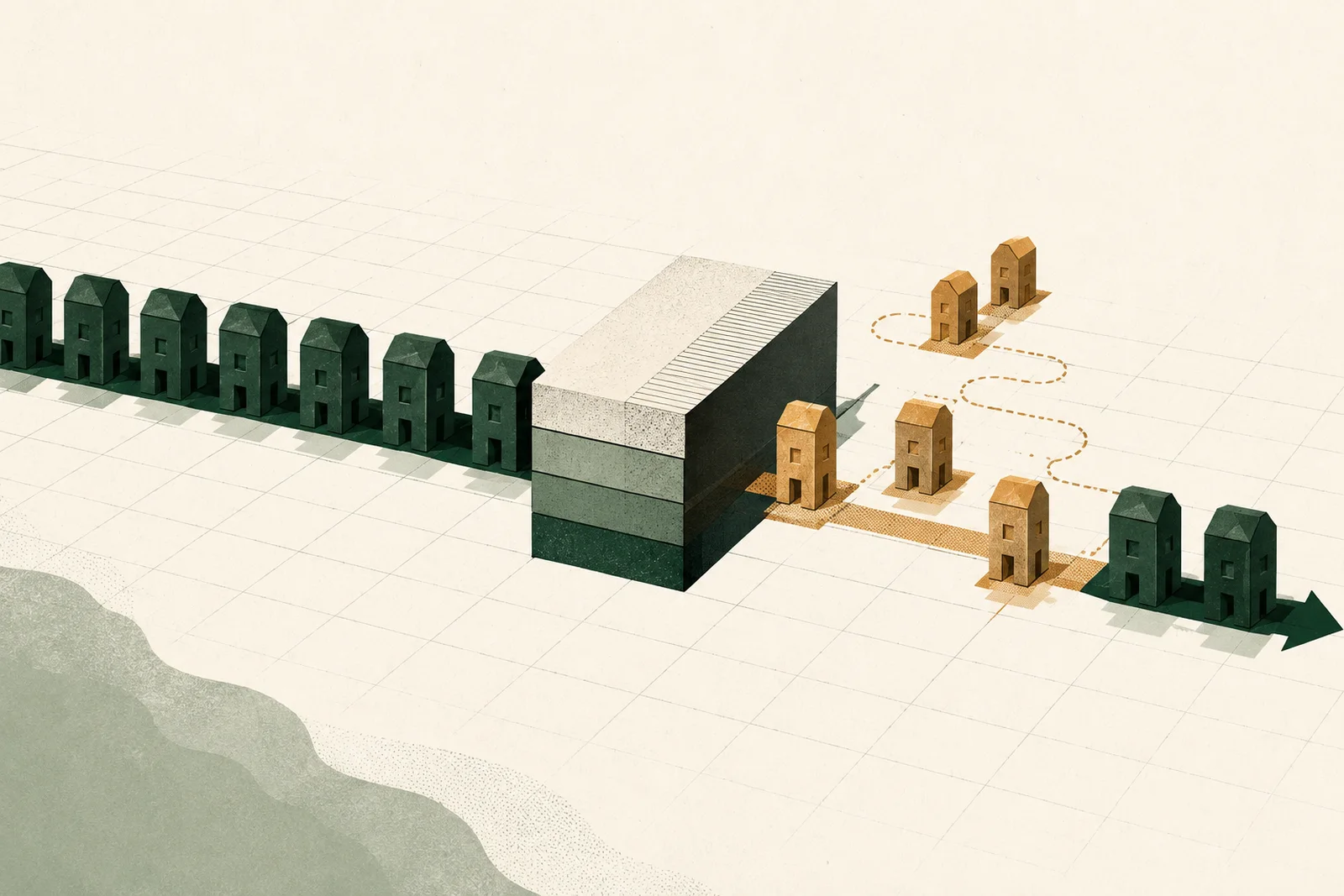
The Collection Number That Can Flatter a DIY Portfolio
A self-managed portfolio can look fine on a month-end report while creating a great deal of unpaid collections work during the month. Rent has a habit of becoming “basically collected” shortly after the bills that needed it have arrived.
Chandan Economics’ August 27, 2026 Independent Landlord Rental Performance Report reported that 83.2% of rent was paid on time, while 95.7% was forecast to be paid in full. The 12.5-percentage-point difference does not necessarily represent bad debt. It is a timing indicator. For an owner, it may correspond to delayed cash and additional follow-up, but the report does not directly measure workload or final realized August collections.
For a DIY owner, the more useful question is not simply, “Did most of the rent arrive eventually?” It is: Can the collection process reliably carry the portfolio while some rent has not arrived yet?
A practical capacity test looks for current ledgers, consistent follow-up, documented payment arrangements, applicable notices, reconciled balances, and enough cash for repairs and fixed obligations without treating expected late rent as available cash.
Why Eventual Collection Is Not the Whole Scorecard
Eventual collection can be comforting, but it is a lagging metric. By itself, it does not show whether delayed receipts affected a repair, reduced reserves, required repeated follow-up, or complicated ledger reconciliation.
The exposure depends on the portfolio’s debt structure, reserve position, lease terms, and fixed obligations. Delayed payments may create pressure around:
- Debt service, taxes, insurance, and other fixed-payment timing
- Maintenance funding and vendor payments
- Accounts-receivable and resident-ledger accuracy
- Consistent reminders, arrangements, notices, and escalation
- Owner time that never appears on a rent roll
A portfolio with strong ultimate collections may still carry timing risk. A vacancy, major repair, or balance that rolls into another month can reduce the cash cushion that made delayed receipts manageable.
Put the August Benchmark in Its Proper Box
As reported on August 27, 2026, the tracker’s most recent observed late-payment rate was 12.1% for June 2026. That was below the 13.5% high recorded in January and February 2026, but the report still described the reading as historically elevated and identified delayed rent as an operating challenge for independent landlords.
This is useful context, not a universal benchmark. The tracker used RentRedi data from a reduced sample of 59,420 units and reported monthly estimates as three-month moving averages. It excluded monthly charges below $500 and above $10,000, units meeting certain inactivity criteria, and units with more than one monthly rent charge. The report also documented revisions during normal data reconciliation.
Use the data as a comparison point, not a verdict on your portfolio. A lower late-payment rate does not prove that a collection process is reliable. A higher rate does not establish that the process is out of control. The useful evidence sits in the portfolio’s own aging, communications, reserves, escalation records, and month-to-month consistency.
Run a Late-Rent Operating-Capacity Test
The test for retaining self-management is not whether an owner personally sends every reminder. It is whether the process continues to work when the owner is busy, traveling, handling a repair, or simply tired of opening the ledger again.
1. Measure on-time cash separately from eventual cash
Review a defined period, such as the last three months, and use a longer period when seasonality or a small unit count could distort the result. Track the share of scheduled rent received by the date the portfolio actually needs cash, then compare it with the amount ultimately collected.
The difference shows how much of the collection cycle occurred after the practical cash deadline. It does not directly measure workload, but it identifies the balances that may have required waiting, follow-up, reserve use, or a deferred decision.
2. Age every unresolved balance
Separate one-time timing issues from balances that carry into a second month or longer. A current balance and a repeatedly rolling balance may require different documentation, follow-up, and reserve planning.
An aging report should show which balances are new, which have documented payment arrangements, which follow-up steps are due, and who owns the next action.
3. Document the follow-up path
For each delinquent balance, identify the next step: reminder, ledger review, payment-arrangement documentation, notice, escalation, or legal review where appropriate.
Notice requirements, timing, and enforcement rules may vary by jurisdiction, lease terms, and the facts of the matter. Confirm the current requirements that apply to the property before relying on a standard sequence. The operating point is simpler: a process kept only in one person’s memory becomes harder to repeat as volume and interruptions increase.
4. Record and apply payment arrangements consistently
Payment arrangements should record the amount, due dates, consequences of a missed installment, and related communications. The owner should also document the reason for materially different treatment of comparable situations.
That discipline helps establish what was promised, what remains due, and whether the collection process can be repeated without rebuilding it every month.
5. Protect maintenance and reserve cash
Identify which obligations depend on rent arriving before eventual collection occurs. These may include maintenance, debt service, taxes, insurance, and reserve targets.
If delayed payments routinely create tension between receivables follow-up and necessary repairs, the operating model needs attention even if eventual collections remain strong. A reserve should absorb disruptions; regular reliance on it to bridge predictable collection delays is a signal worth examining.
Do Not Outsource the Diagnosis to the National Economy
National household data provides context, but it cannot explain a specific portfolio’s receivables.
The Federal Reserve Bank of New York reported that 4.7% of outstanding U.S. household debt was in some stage of delinquency at the end of June 2026. That figure covers household debt broadly, not rent or renter households specifically.
KPMG’s August 11, 2026 analysis described aggregate household balance sheets as generally stable and said they were not getting worse. It also identified student loans as an outlier and noted risks from inflation and possible labor-market weakening. The national picture was not uniformly comfortable, but neither source establishes broad deterioration as the cause of a particular portfolio’s late rent.
The cautious inference is to review portfolio records before assigning a national explanation. The issue may involve arrears aging, lease administration, resident communication, ledger discipline, reserve policy, or an inconsistent follow-up process.
The Decision Is Not Just DIY or Full Handoff
A collection-capacity review can consider at least three paths:
- Retain self-management with tighter controls. This may fit an owner whose aging remains contained, reserves are adequate, and documented follow-up is consistent.
- Evaluate targeted operating support. This may fit an owner who wants direct control but needs stronger receivables tracking, notice controls, reconciliation, or follow-up ownership.
- Evaluate broader management support. This may become more relevant when aging rolls forward, reserve demands increase, tasks concentrate on one person, or the process repeatedly fails when that person is unavailable.
These are decision options, not universal prescriptions. The choice depends on the portfolio’s on-time receipts, arrears aging, workload, consistency, cash resilience, legal requirements, and available support.
Review the System Before the Next Cash Squeeze
Before the next rent cycle, compare on-time collections with eventual collections and identify the work hidden between those numbers. Review aging, payment arrangements, notice controls, reserve demands, and the named owner of each follow-up task.
A portfolio performance review should compare those controls before an investor decides whether to retain self-management, supplement the operating process, or evaluate a broader management handoff. The point is not to treat every late payment as a crisis. It is to keep delayed rent from quietly becoming the portfolio’s operating system.
Ask Jane about this article.
Connect the article to GroundHaven consulting or current market evidence.
Continue with JanePut perspective to work.
Discuss your priorities and budget. Build a plan around the support your team needs.
Explore consulting options